


Healing Wounds That Were Never Loud—But Were Deeply Real
Support for people recovering from confusing, destabilizing, or emotionally harmful relationships — grounded in clarity, dignity, and clinically guided care.
The Quiet Wounds exists to help individuals understand their relational patterns, emotional responses, and behavioral tendencies in a way that is ethical, thoughtful, and forward-moving.
Through small-group work, guided programs, and individualized support, we help participants rebuild self-trust, emotional steadiness, and healthy connection.
All programs are structured to foster trust, clarity, and psychological safety.
We screen carefully.
We move thoughtfully.
We prioritize depth over volume.
We don’t diagnose others here.
We don’t push urgency.
We don’t do public disclosure.
If something in a relationship left you confused, diminished, or questioning yourself, you’re not imagining it.
Start quietly.
Choose the next right step — at your own pace.
Clinically guided • Trauma-informed • Privacy-first • Clear boundaries

You Don’t Have to Figure This Out Alone.
✔ Understand what happened
✔ Rebuild self-trust
✔ Learn healthy boundaries
✔ Find calm, private support
✔ Explore next steps safely
“Until you make the unconscious conscious, it will rule your life, and you will call it fate.”
— Carl Jung
Not All Wounds are Obvious
Some harm doesn’t bruise the body — it quietly erodes self-trust.
You began questioning your memory
You felt responsible for someone else’s emotions
You stayed quiet to keep the peace
You lost confidence, boundaries, or direction
You don’t have to prove what you felt here.

What The Quiet Wounds Offers
The Quiet Wounds is a trauma-informed platform offering education, community, coaching, and clinically guided programs for people impacted by emotionally harmful relationships.
clarity without blame
safety without urgency
dignity without diagnosis
Your Next Step
1) Understand What Happened
Language for what you experienced.
2) Quiet Support & Connection
A private community — observe quietly.
3) Rebuild After a Relationship
Workshops and small groups.
4) Individual Guidance
One on one sessions with qualified specialists
Clinically Guided Care
The Quiet Wounds is guided by licensed clinical leadership committed to ethical, trauma-informed care.
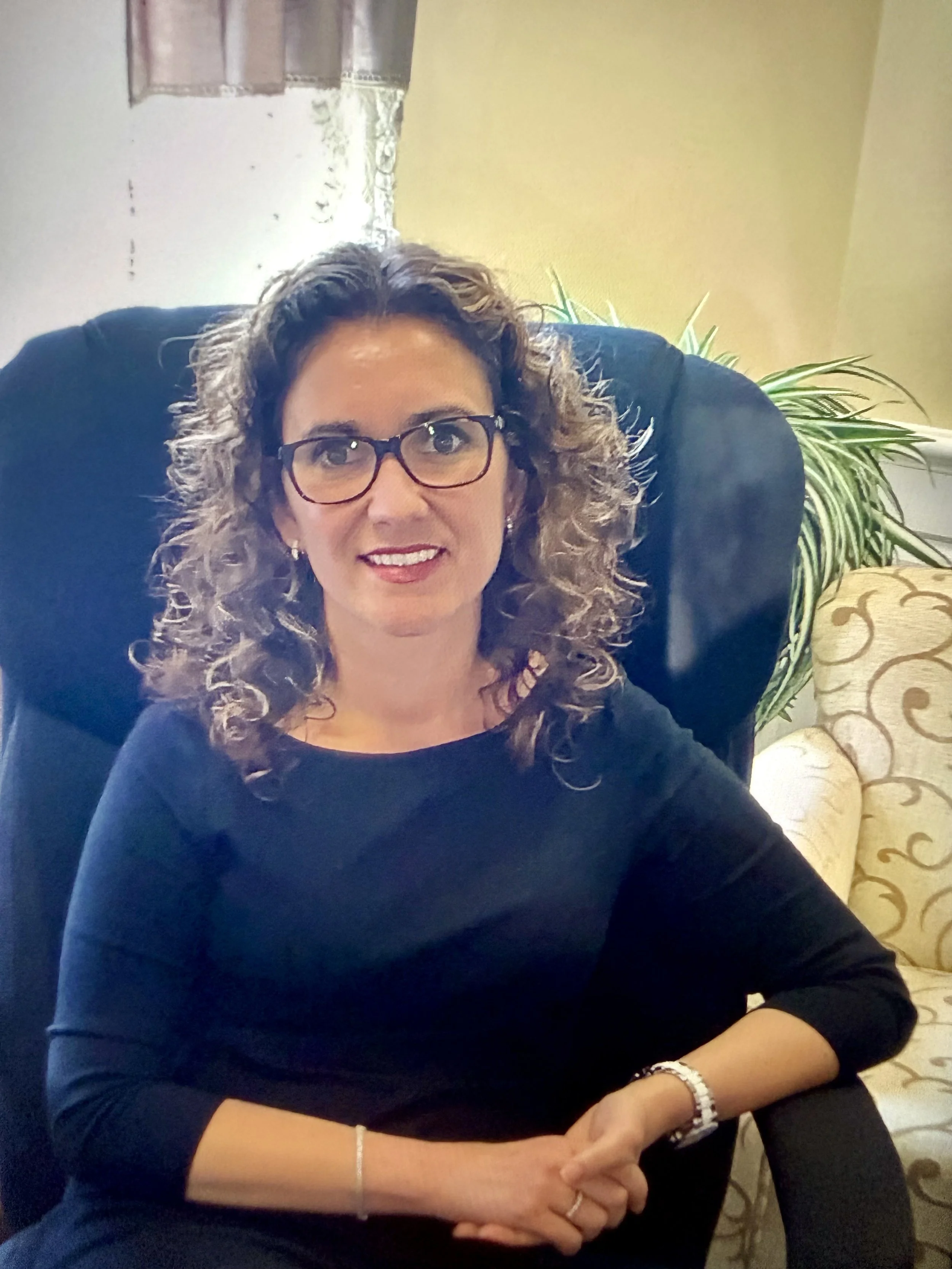
Marinely DaCosta, M.A., L.P.C. serves as Clinical Director & Anchor, providing oversight across programs.
What People Often Gain Here
• Language for confusing experiences
• Confidence in their perceptions
• Emotional steadiness
• Clear relational boundaries
• Renewed sense of identity
We work with thoughtful individuals who value privacy, responsibility, and meaningful growth.
Insights
Thoughtful reflections on emotional clarity, relational patterns, and rebuilding self-trust.
If you are new, begin with these three:
Article 1
Why You Doubt Yourself After Emotional Confusion
When emotional confusion becomes chronic, self-doubt often follows. This article explores why that happens and how clarity begins to return.
Article 2
The Difference Between Conflict and Emotional Harm
Not every difficult relationship is harmful. This piece helps clarify the difference between normal conflict and patterns that quietly destabilize.
Article 3
Rebuilding Self-Trust After Relational Instability
After prolonged emotional instability, trust in your own thinking can erode. This article explores how self-trust is restored.
Voices from Our Community
“I finally understood what had been happening to me.”
“I learned to trust myself again.”
“This was the first space that felt safe.”
If This Resonates, Trust That.
You don’t need the perfect words yet.
Just a safe place to begin.