

Clinically guided. Ethically grounded.
Clinical leadership at The Quiet Wounds
The Quiet Wounds is guided by licensed clinical leadership to ensure that all offerings — therapy, education, coaching, and community — remain trauma-informed, ethically aligned, and clearly distinguished in scope.
“Trauma robs you of the feeling that you are in charge of yourself.”
— Bessel van der Kolk
Meet Marinely DaCosta, LPC
Marinely DaCosta is a licensed professional counselor with over 20 years of experience working with individuals and families impacted by trauma, emotional dysregulation, and relational harm.
A Brazilian immigrant raised in inner-city Philadelphia, Marinely brings both professional expertise and lived understanding to her work — grounding clinical knowledge in compassion, cultural awareness, and dignity.
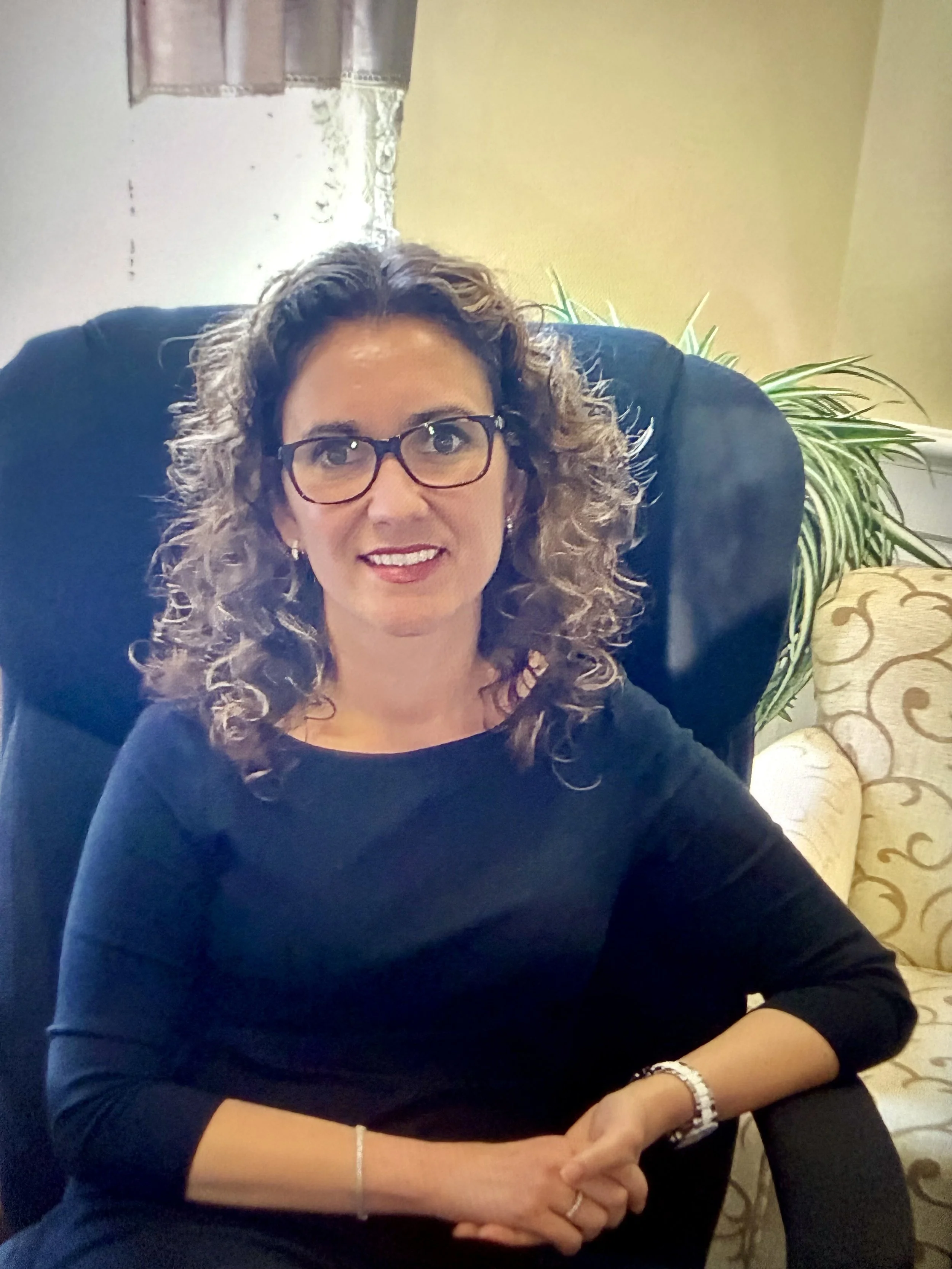
Marinely in her private practice at Chester Counting Counseling Services L.L.C.
Education and professional background
Marinely’s training reflects a strong foundation in psychotherapy, trauma specialization, and relational healing.
Credentials
Licensed Professional Counselor (LPC), Pennsylvania
Master of Arts in Psychotherapy, Trauma Specialization — Missio Seminary
Bachelor of Science in Missions and Education — North Point College
Her work integrates evidence-based clinical understanding with thoughtful, human-centered care.
Therapeutic philosophy
Marinely’s approach emphasizes helping clients understand their emotional responses without shame, self-erasure, or over-pathologizing.
Her work prioritizes
Taking responsibility over their mindset.
Self-compassion over self-blame
Clarity over confusion
Thoughtful response over automatic reaction
Dignity over diagnosis
Empowerment over disempowerment
Healing is not about fixing who you are — it’s about restoring clarity, agency, and trust in yourself.
Clinical leadership at The Quiet Wounds
As the clinical leader of The Quiet Wounds, Marinely provides guidance and oversight across all programs to ensure ethical alignment, trauma-informed practice, and clear boundaries between clinical and non-clinical services.
Her role includes
Clinical oversight of therapy offerings
Ethical guidance for coaching and educational programs
Consultation on group and community structure
Ensuring transparency around scope of care
While not all services offered through The Quiet Wounds constitute psychotherapy, Marinely’s leadership ensures that all programs are developed with care, clarity, and responsibility.
Authorship and resources
Marinely is the author of Beth and Seth Learn to Take a B.R.E.A.T.H., a resource designed to help individuals and families navigate emotions, reactions, and interpersonal challenges in practical, developmentally appropriate ways.
Her work reflects a commitment to emotional literacy across the lifespan.

The purpose of this book is to start a dialogue that will empower individuals to explore their feelings and develop problem solving skills. Feelings are okay, and they are perfectly normal. However, feelings are not always accurate and need to be balanced with facts. Under stress, individuals tend to react. This automatic Reaction is identified as "fight, flight, or freeze." This book teaches you how to be thoughtful in your actions and develop options instead of just Reacting.
As individuals move from reactionary behavior to thoughtfulness, they are better able to connect and relate to others in a healthy way that promotes personal growth and harmony.
Ethical clarity matters
Therapy services at The Quiet Wounds are provided only by licensed clinicians and are clearly identified. Coaching, education, and community offerings are not psychotherapy and do not replace mental health treatment.
This distinction protects both participants and providers — and reflects our commitment to ethical care.
We work with thoughtful individuals who value privacy, responsibility, and meaningful growth.
Thoughtful care begins with clarity.
Clinical leadership exists to ensure that people seeking support are met with respect, transparency, and appropriate care — not confusion or pressure.